Parenting contains little emergencies: a forehead bang on a play area ladder, a kid with a high fever at two in the early morning, a teen who cuts herself during a weekend break football suit. A lot of the time those incidents finish with a bandaid, a trendy compress, or a tranquil call to the doctor. Once in awhile, nevertheless, a minute shows up that needs crucial action and the self-confidence to act prior to professional assistance shows up. That is the void a neighborhood first aid course shuts, and for moms and dads in Jandakot the value is both useful and measurable.
How a neighborhood course adjustments results When a child chokes, begins convulsing, or quits breathing, the initial couple of mins establish lasting recuperation. Emergency medical services reaction times vary; in suburbs like Jandakot you could wait ten to twenty minutes for an ambulance, often longer in off-peak hours. A moms and dad that knows just how to execute child-size chest compressions, clear an air passage, or handle serious bleeding can keep a child to life and reduce the risk of mind injury. Courses that combine first aid and CPR teach those immediate activities in hands-on sessions, not simply talk. Exercising on manikins, obtaining teacher adjustment, and repeating the steps up until they feel automatic are what make the difference.
Local courses versus generic training You can watch cost-free videos on the internet and read guidelines, however a Jandakot first aid course tailored to moms and dads includes 2 important elements. First, local courses address the environment: yard swimming pools, mobility scooters and bikes on close-by courses, kitchen area dangers for family-style homes, and typical irritants in Perth. Second, neighborhood teachers frequently bring tales from close-by occurrences, which makes the training sensible and directly suitable. That context aids moms and dads prioritize: what to find out initially, what to carry in a household first aid package, and which scenarios legally require ambulance calls.
Which training alternatives matter for moms and dads Not all certificates are equivalent for the demands of a home. Fundamental first aid covers bleeding control, burns, fractures, allergic reactions, and heat-related ailments. First aid plus CPR includes adult, youngster, and baby CPR and use an automated outside defibrillator, typically abbreviated AED. Some carriers include pediatric-focused modules, injury management, or assistance on mental health dilemmas. When considering first aid training in Jandakot, inspect whether the service provider provides pediatric scenarios and baby manikins. A CPR course Jandakot that only shows grown-up techniques will leave spaces when your person is under one year old.
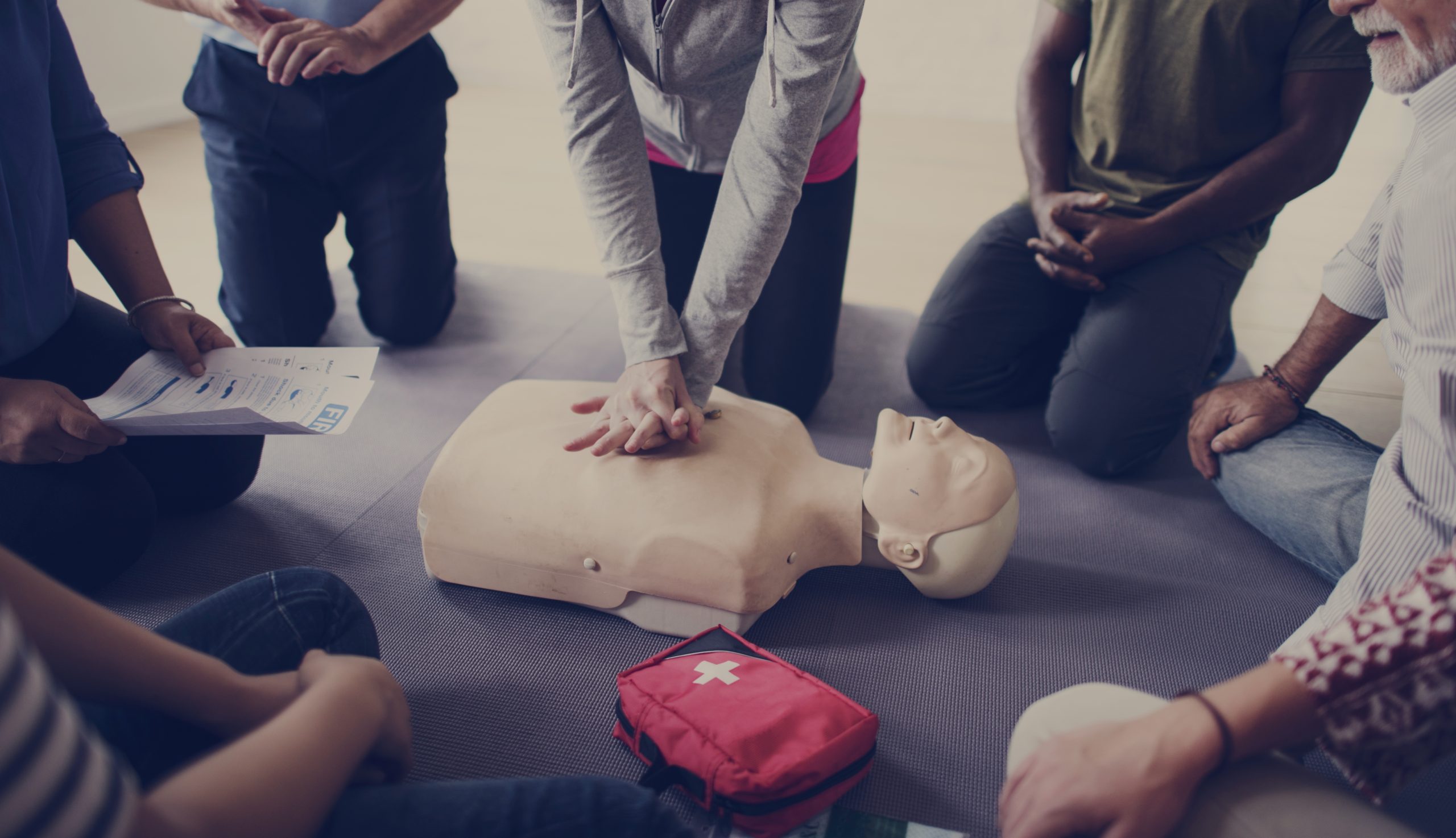
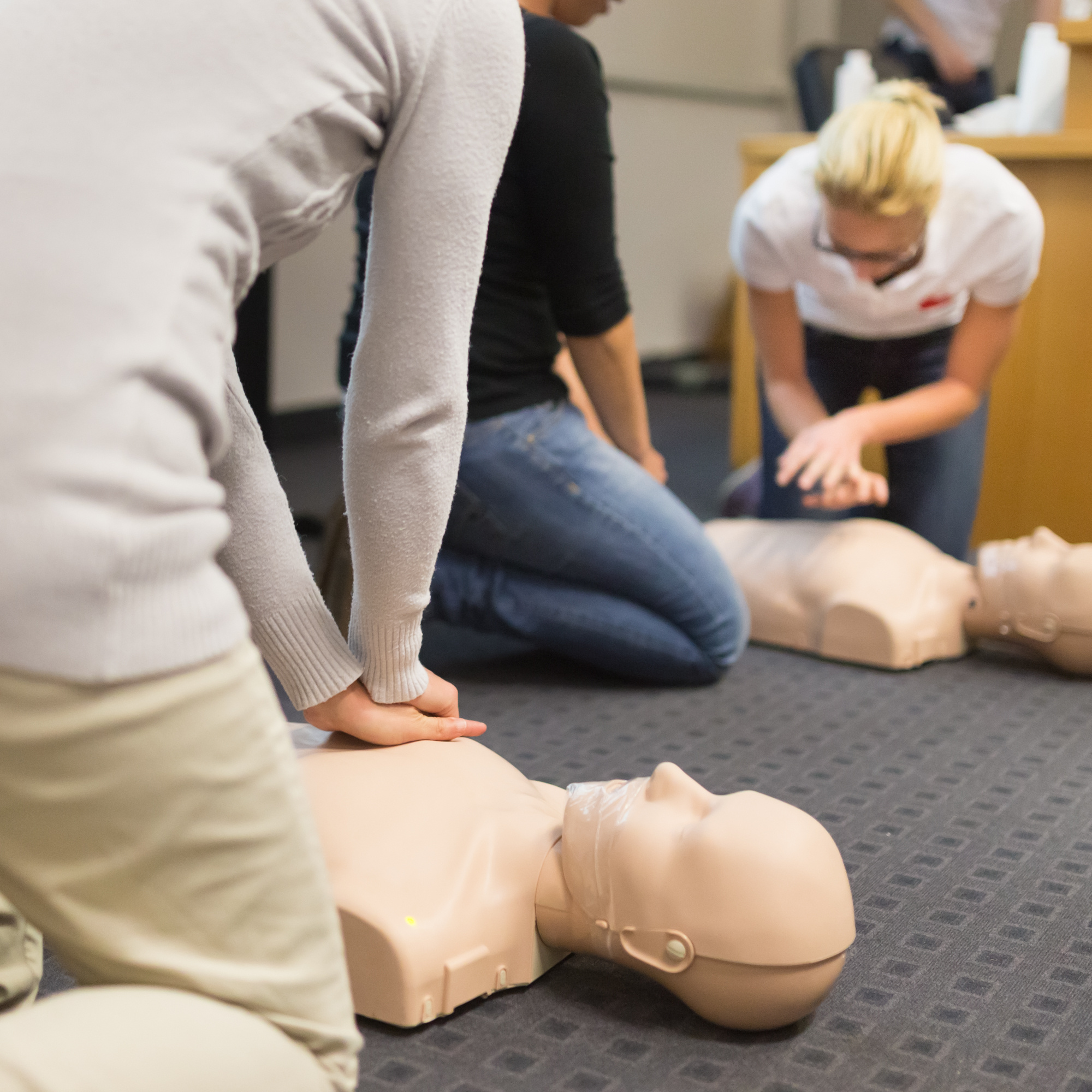
A normal session that sticks to moms and dads A solid class builds muscle memory. Expect a brief concept intro to the physiology behind unfamiliarity and cardiac arrest, complied with immediately by hands-on method. Teachers must pair students for compressions and air flows, right hand positioning on manikins, and time compression cycles so trainees learn to change without losing performance. They need to imitate choking accredited first aid course with tiny things that simulate usual house hazards, and role-play a panic circumstance where one moms and dad needs to hand over tasks while executing first aid. That type of wedding rehearsal under moderate tension is what makes the strategies functional when actual fear appears.
Concrete examples reveal why uniqueness helps I when saw a local parent usage skills found out in a community course to save a kid who had breathed in a small plastic bead. The parent acknowledged the indications of partial airway obstruction, placed the child the way the instructor had actually shown, delivered back strikes, then performed baby chest drives until the object ejected. Awaiting an ambulance would certainly have run the risk of total blockage. In an additional instance, a mom applied a stress dressing and boosting technique she exercised in a class after her child suffered a deep skateboarding laceration. She regulated hemorrhaging long enough for the wound to be sewn without considerable blood loss. Those are not unique tales; they are the anticipated end results when moms and dads attend first aid and CPR courses in Jandakot and exercise the skills.
Legal and community considerations Holding a current first aid certificate Jandakot is likewise valuable for school volunteering, neighborhood sports clubs, and child care setups where regulators or coordinators need qualified attendants. Several clubs currently ask for a duplicate of a valid certificate for coaches and group managers. For parents that drive carpool lines or run play dates, having up-to-date training indicates fewer management barriers and more clear eligibility to react in emergencies.
What a reasonable course schedule appears like Many comprehensive first aid and CPR Jandakot sessions run 3 to 4 hours for a standard certificate, occasionally longer if the company includes pediatric components. Refresher courses, often called CPR refresher course Jandakot, run around one to 2 hours and concentrate on compressions, air flows, and AED use. If you have a hectic weekend timetable, look for evening or Saturday sessions offered by regional training facilities. Some providers enable a mix of online theory followed by a much shorter sensible analysis in-person, which suits moms and dads who choose to research around snoozes and school runs.
Choosing a service provider - what to examine Moms and dads need to evaluate companies on numerous practical standards. Initially, check instructor credentials and course size. Smaller courses imply more hands-on time and personalized comments. Second, learn whether the course issues country wide recognized qualification, especially if you need a certificate for a volunteer role. Third, verification of current manikins, AED fitness instructors, and sets indicates a company who purchases realism. 4th, check out current evaluations from regional parents rather than relying only on advertising. A good inquiry to ask a supplier is whether they consist of real-life pediatric scenarios and how they take care of high-stress role play. These information identify a training that constructs self-confidence from a brief overview.
A brief checklist before you book
- verify the course covers infant and kid CPR check class size and teacher qualifications confirm accreditation type and expiration period ask whether theory can be done online and functional examined in person ensure hands-on experiment AED instructors and pediatric manikins
Practical preparation for the day of training Arrive relaxed, wear comfy clothing suitable for stooping, and bring a note pad if you like taking fast references. Parents must additionally bring a recent medicine listing for member of the family, particularly if allergic reactions will certainly be talked about; recognizing your family's drugs and does helps trainers tailor advice. If the course permits, bring a partner you expect to rely on throughout real emergencies so you can practice handover and teamwork.
What you'll be able to do after a great course You must entrust to the ability to execute five core activities reliably: identify the subconscious or unresponsive kid, call emergency situation solutions and provide clear info, carry out chest compressions and rescue breaths appropriate to the youngster's age, use an AED securely and successfully, and control serious blood loss. Beyond method, great training builds the judgment to recognize when to deal with at home and when to look for immediate healthcare. That judgment issues since unnecessary ambulance telephone calls can postpone resources, while hesitation in actual emergency situations triggers harm.
Common trade-offs and side instances A moms and dad may hesitate over the price of repeating full accreditation each year. Lots of providers use a useful method: take a full first aid course every 3 years with an annual CPR refresher, or participate in targeted workshops focusing on pediatric emergency situations in between complete certifications. An additional compromise is in between online-only training and in-person practice. Online theory conserves time and can be comprehensive, yet it can not change hands-on improvement of compression deepness, ventilation quantity, and choke-management techniques. If time is limited, select blended training that books at the very least ninety mins for practice.
Handling anxiousness and performance under stress Understanding first aid is not only about strategy; it is about taking care of adrenaline. Instructors that simulate urgency with timed drills assist trainees find out to keep strategy under stress and anxiety. A simple breathing sign, a brief psychological checklist, and the understanding of a practiced series minimize the paralysis that panic can trigger. Moms and dads must rehearse these hints at home with relative to make sure that in a genuine case the reaction feels like a set of practiced actions rather than an improvisation.
Equipment to keep at home and in the auto A compact family first aid package, a pediatric mask for CPR, and a fundamental AED if you arrange a showing off club are practical financial investments. Maintain the set equipped: glue dressings, sterile gauze, a triangular plaster, tweezers, an electronic thermostat, antihistamine for allergic reactions, and a ring binder with emergency numbers and clinical notes for each and every child. Shop the set in an understood area and reveal it to caregivers. Renew utilized or run out things immediately.
How to make the training stick beyond the certificate Technique discolors without technique. Short, regular monthly family drills lasting five to 10 mins maintain abilities fresh and familiar to kids as well. Repeating helps recall under tension and stabilizes response to ensure that youngsters learn their function too, as an example, calling 000 and remaining on the line. Regional community centers or playgroups in some cases host refresher sessions; attending with other parents likewise builds a neighborhood network of trained responders.
Finding courses in Jandakot Look for suppliers marketing first aid training Jandakot or first aid courses in Jandakot, and filter for courses that list pediatric or family-focused modules. Local neighborhood colleges, personal training organisations, and some healthcare facility outreach programs Jandakot CPR course run regular sessions. If you require a recognized carrier, look for descriptions that consist of across the country recognized units or a statement about conformity with workplace health and safety standards. Additionally take into consideration "first aid pro Jandakot" listings for teachers that promote particular pediatric expertise.
Final practical factors to consider Maintain accreditation papers available, either as a laminated card in your pocketbook or a checked duplicate saved in a family members emergency folder on your phone. Inspect renewal days and make a schedule pointer to book a refresher. If you offer at your child's institution, bring evidence of present qualification to the office. And when you return from a course, upgrade any kind of emergency activity prepare for particular situations like severe allergic reactions or asthma with the methods you learned.
Parents that participate in a Jandakot first aid course get more than a certificate. They gain functional proficiency, quicker decision-making, and the confidence to act when secs matter. The cost and time invested repay themselves whenever an injury is managed properly at home, throughout a play date, or on the sports area. For families in Jandakot, first aid training is not an optional extra, it is just one of one of the most cost-efficient safety choices you can make.